
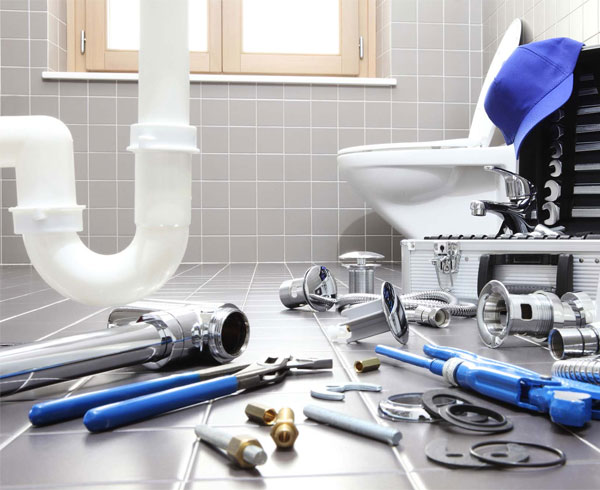
Plumbing is crucial to contemporary infrastructure because it ensures the safe and efficient delivery of water and the removal of waste. Understanding the intricacies of plumbing systems in large condominiums, huge high-rises, and residential homes is crucial. This comprehensive resource covers a wide range of topics, including the fundamentals of plumbing, material selection, building type difficulties, and the need of maintenance.
Understanding plumbing systems: basics and components
At its core, a plumbing system comprises:
- Pipes : Channels that transport water to and from fixtures.
- Fixtures : Endpoints like sinks, toilets, and showers where water is utilized.
- Valves : Devices that control water flow and pressure.
- Drains : Pathways that carry wastewater away from fixtures.
While Condo Plumbing Toronto focuses on individual units, commercial systems, especially in high-rise buildings, require complex designs to manage higher usage and ensure consistent pressure across multiple floors. Proper plumbing design is paramount to prevent issues like backflow, leaks, and inefficient water distribution.
Choosing the right plumbing fixtures and materials
Factors to consider
When selecting plumbing fixtures, consider:
- Durability : Materials should withstand daily use and resist corrosion.
- Water efficiency : Opt for fixtures that conserve water without compromising performance.
- Cost : Balance initial investment with long-term maintenance expenses.
Material comparisons
- Copper : Known for its longevity and resistance to bacteria, but can be expensive and requires soldering during installation.
- PEX (Cross-linked polyethylene) : Flexible, easy to install, and resistant to scale and chlorine, making it ideal for both hot and cold water lines.
- PVC (Polyvinyl chloride) : Lightweight and cost-effective, commonly used for drain lines but not suitable for hot water applications.
Each material has its advantages and is suited for specific applications depending on building type and local regulations.
Plumbing solutions for condominiums
Because separate units are accessible only through shared infrastructure, condominiums pose special plumbing issues. Effective drainage and water distribution are necessary to avoid problems like water hammer, uneven pressure, and possible cross-contamination.
Implementing noise-reducing designs, such as using PEX piping and installing pressure-reducing valves, can enhance resident comfort. Additionally, space-saving solutions, like wall-hung toilets and compact water heaters, optimize limited areas.
High-rise vs. low-rise buildings: plumbing considerations
Pressure regulation
Systems for high-rise structures must be able to withstand large pressure differentials. Consistent water flow is guaranteed throughout all floors by using booster pumps and pressure zones.
Pipe configuration and size
Larger diameter pipes and well-planned layouts are necessary to maintain proper flow and pressure in taller constructions. Low-rise structures, on the other hand, can frequently make use of smaller pipes and simpler systems.
Maintenance accessibility
High-rise buildings benefit from centralized maintenance areas and vertical shafts, allowing easier access for repairs. In contrast, low-rise structures might have more straightforward access but can face challenges if systems are spread out.
Professional plumbing services: installation and upgrades
When to hire a professional
While little jobs, like clearing clogged drains, can be completed by hand, major installations or renovations call for professional knowledge to guarantee adherence to standards and codes.
Key installation steps
- Assessment : Evaluating the building’s needs and existing systems.
- Design : Creating a plan that ensures efficient water distribution and waste removal.
- Installation : Laying pipes, installing fixtures, and integrating systems.
- Testing : Ensuring the system operates correctly without leaks or pressure issues.
Retrofitting older buildings
Replacing older pipes, including contemporary fixtures, and making sure the system satisfies current requirements are all part of upgrading outdated systems. This procedure lowers failure risk and increases efficiency.
Plumbing repair: common issues and fixes
Frequent problems
- Leaks : Often caused by worn-out seals or corroded pipes.
- Clogs : Resulting from debris accumulation in drains.
- Low water pressure : Due to pipe obstructions or faulty pressure regulators.
DIY fixes vs. professional help
While some issues, like minor clogs, can be addressed with household tools, persistent problems or those involving the main water line should be handled by Condo Plumbing Toronto to prevent further damage.
Emergency situations
Burst pipes or severe leaks require immediate attention. Shutting off the main water supply and contacting a plumber promptly can mitigate damage.
Preventive maintenance for long-lasting plumbing
Routine checks
Regularly inspect pipes for signs of wear, ensure fixtures operate correctly, and monitor water pressure levels.
Seasonal maintenance
In colder climates, insulate pipes to prevent freezing. Before winter, drain outdoor faucets and shut off their water supply.